Choosing a high-quality toddler program is one of the most important decisions parents make to support their child’s early development. During the toddler years, children experience tremendous growth and exploration as they begin to learn about the world around them. A quality program not only nurtures this growth but also provides a safe, enriching environment where toddlers can thrive. This blog post will dive into the key components that make a toddler program truly exceptional, from engaging curricula to qualified educators, all while focusing on the importance of fostering a love for learning in these formative years.
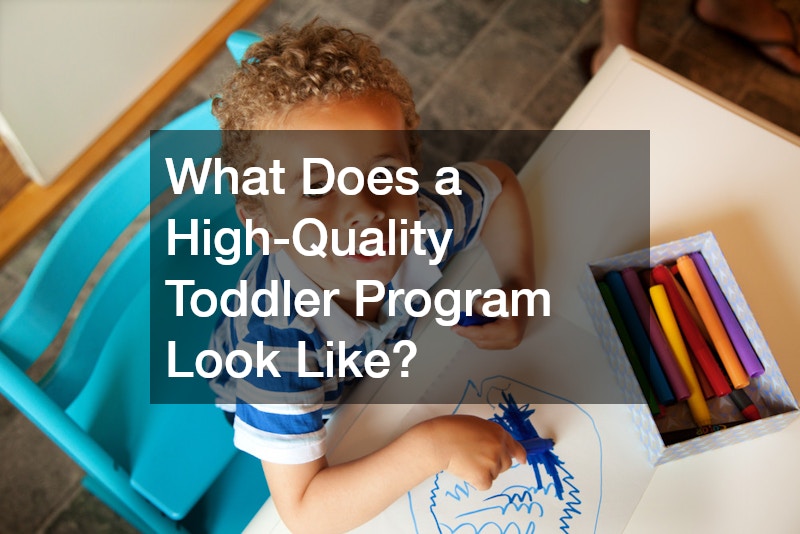
One of the most critical aspects of a high-quality toddler program is a well-structured curriculum that is both developmentally appropriate and engaging. The activities should be designed to promote social, emotional, cognitive, and physical skills. High-quality programs incorporate play-based learning, where toddlers can explore materials and concepts in a hands-on manner. For instance, art projects, sensory play, and language activities stimulate creativity while also enhancing fine motor skills. According to the National Association for the Education of Young Children (NAEYC), a curriculum that balances structured time with free play encourages children to learn at their own pace, ensuring that every child finds joy in the learning process.
In addition to a robust curriculum, the quality of staff is paramount in a toddler program. Educators who specialize in early childhood education bring a wealth of knowledge and experience that directly influences the learning environment. It is essential for these educators to be trained in child development theories and practices that cater to the unique needs of toddlers. Furthermore, high-quality programs typically maintain a favorable child-to-teacher ratio, allowing for more personalized attention and support. This individualized approach not only helps in addressing the specific needs of each child but also fosters a secure attachment between the child and the teacher, which is crucial for emotional development.
A high-quality toddler program also prioritizes creating a nurturing and safe environment. Safety measures should be rigorously implemented to ensure that the physical spaces are secure and age-appropriate. This includes safe outdoor play areas, soft surfaces for play, and careful supervision at all times. Beyond physical safety, a supportive emotional climate is vital; classrooms should be filled with warmth, encouragement, and respect. Educators model positive behaviors and emotions, helping children understand social interactions and develop empathy. A strong foundation of emotional security enables toddlers to explore and take risks, knowing they have a reliable support system behind them.
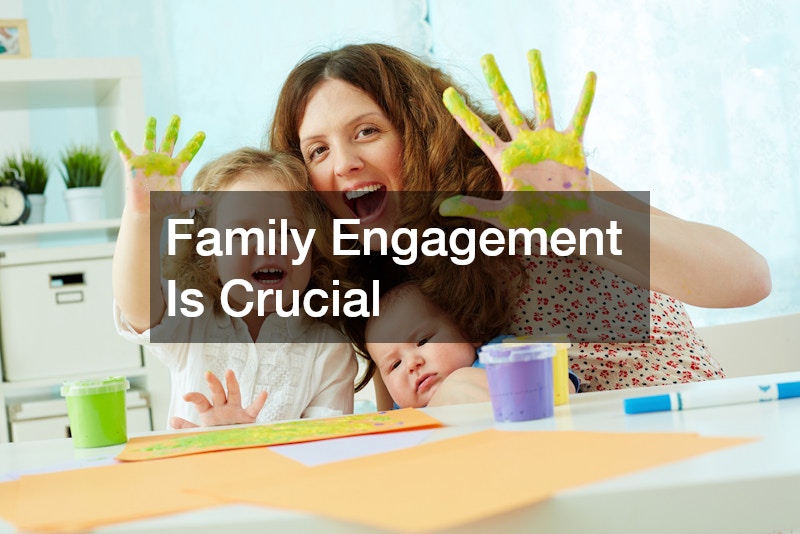
Family engagement is another crucial element in high-quality toddler programs. Programs that actively involve families in their child’s learning process empower parents and caregivers to take an active role in their toddler’s development. Regular communication, workshops, and family events create a strong partnership between educators and families. This connection ensures that the child’s learning extends beyond the classroom, as parents and caregivers can reinforce the concepts taught at school within the home. Furthermore, high-quality programs respect the diverse backgrounds of families and offer inclusive activities that reflect different cultures and experiences.
Lastly, a commitment to continuous improvement is a hallmark of high-quality toddler programs. This relates to both the curriculum and the professional development of staff. Regular assessments and evaluations should be conducted to determine the effectiveness of the educational approaches being utilized. Feedback from families and staff can guide improvements and adaptations to the program. Additionally, providing opportunities for educators to engage in professional development keeps them updated on best practices in early childhood education and enhances their skills, resulting in a better learning environment for toddlers. A program that seeks to grow and improve continually ensures it remains high-quality over time.
In conclusion, a high-quality toddler program is structured, safe, and engaging, with a strong focus on nurturing the overall development of children. From a well-designed curriculum and qualified educators to family involvement and a commitment to improvement, each aspect plays a crucial role in shaping a toddler’s learning experience. Parents seeking the best for their children should carefully evaluate these components when selecting a program, ensuring their child has a rich educational foundation that supports lifelong learning. By creating environments where toddlers feel safe, engaged, and valued, we set the stage for future academic and social success.