Choosing how your child will be educated is one of the most important decisions you’ll make as a parent. With so many options available today, many families find themselves comparing homeschool vs public school to decide which path is best.
There is no single “right” answer. Every child learns differently. Every family has unique needs, values, and schedules. The key is understanding how each option works and what it offers.
In this guide, we’ll break down the differences between homeschool and public school, compare their benefits and challenges, and help you think through what might work best for your child.
What Is Public School?
Public schools are government-funded schools that are free to attend. They follow state-approved curriculum standards and are staffed by licensed teachers.
Public schools typically offer:
- Structured schedules
- Grade-level classrooms
- Certified teachers
- Extracurricular activities
- Sports programs
- Access to school facilities
Students attend classes with peers of the same age and follow a standard academic calendar.
What Is Homeschooling?
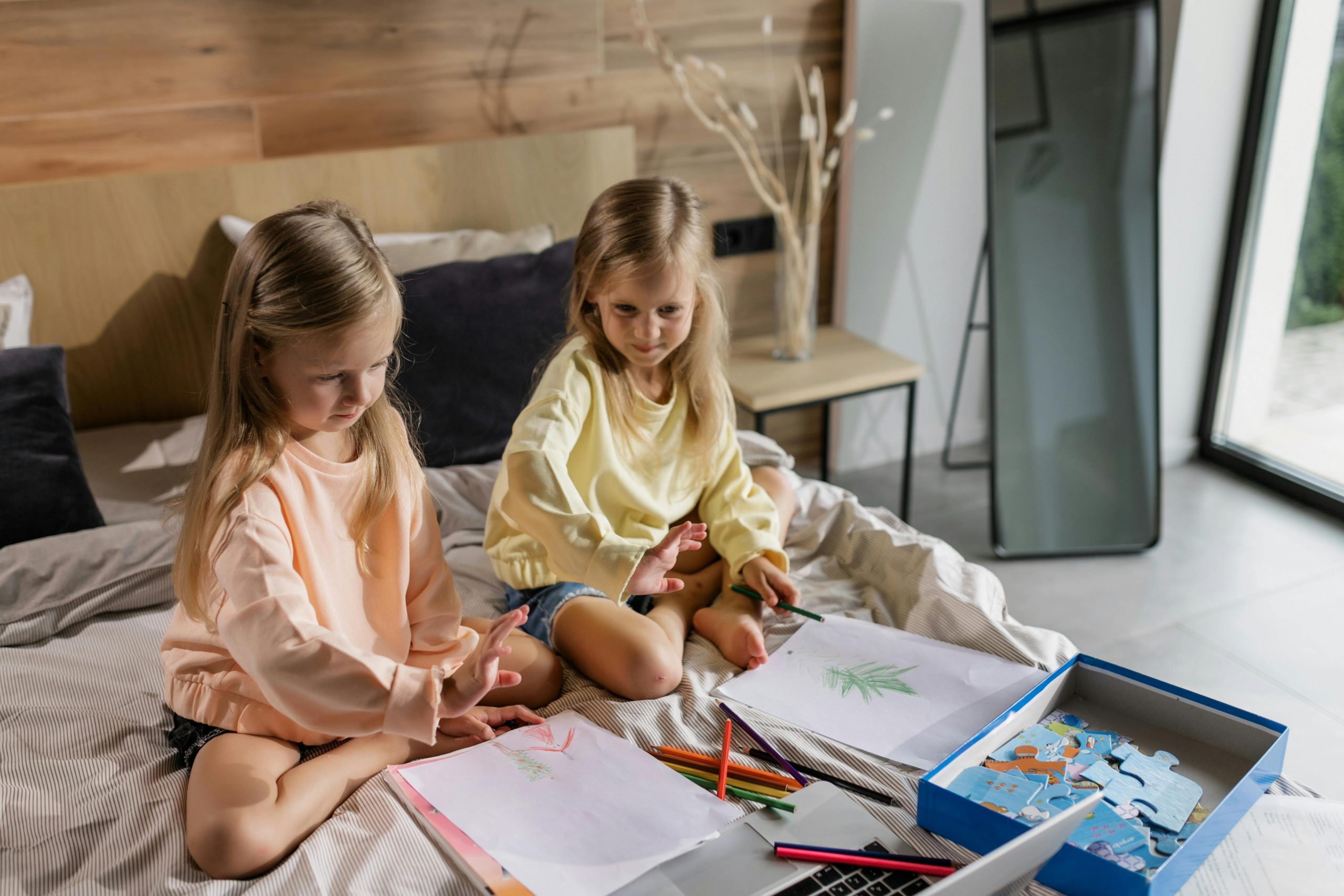
Homeschooling is when parents choose to educate their children at home rather than enrolling them in a traditional school.
Parents may:
- Teach lessons themselves
- Use online programs
- Join homeschool co-ops
- Hire tutors for certain subjects
Homeschooling allows families to customize the learning experience based on their child’s needs and interests.
Academic Comparison: Homeschool vs Public School
One of the biggest factors parents consider is academic quality.
Curriculum and Flexibility
Public School
Public schools follow state standards. Teachers must cover required subjects and prepare students for standardized testing.
Benefits include:
- Structured curriculum
- Professional instruction
- Clear grade-level expectations
However, flexibility is limited. Teachers must move at a pace that works for the majority of students.
Homeschool
Homeschooling allows families to choose their own curriculum.
This means you can:
- Adjust learning pace
- Focus more on difficult subjects
- Skip repetitive material
- Explore special interests
For example, if your child loves science, you can spend extra time on experiments and projects.
Homeschooling offers greater flexibility but requires more planning from parents.
Teaching Style and Attention
Public School
In public school classrooms, one teacher may manage 20 to 30 students. While teachers work hard to support everyone, individual attention can be limited.
Some children thrive in this environment, especially those who enjoy group discussions and classroom interaction.
Homeschool
Homeschooling provides one-on-one instruction. This can be especially helpful for children who:
- Need extra help
- Learn at a different pace
- Get distracted easily
Parents can adjust teaching methods to match their child’s learning style.
Social Development: A Common Concern
When comparing homeschool vs public school, socialization is often a major concern.
Social Life in Public School
Public schools provide daily peer interaction. Students:
- Build friendships
- Learn teamwork
- Participate in group projects
- Join clubs and sports
These experiences help children develop communication and social skills.
Social Life in Homeschooling
Homeschooling requires more effort to create social opportunities. Parents may need to arrange:
- Playdates
- Sports teams
- Homeschool co-ops
- Community activities
Many homeschool families successfully build strong social networks, but it takes planning.
Structure and Routine
Children respond differently to structure.
Public School Structure
Public schools follow:
- Fixed schedules
- Set start and end times
- Regular academic calendars
This structure can benefit children who thrive on routine and predictability.
Homeschool Flexibility
Homeschooling allows for flexible scheduling.
Families can:
- Take breaks when needed
- Travel during off-peak seasons
- Adjust learning times
However, flexibility still requires discipline. Without structure, some children may struggle to stay focused.
Costs: Homeschool vs Public School
Financial considerations are important.
Public School Costs
Public school education is free, but families may still pay for:
- School supplies
- Lunch programs
- Field trips
- Extracurricular activities
Overall, public school is typically more affordable.
Homeschool Costs
Homeschooling expenses may include:
- Curriculum materials
- Online subscriptions
- Educational supplies
- Field trips
In some families, one parent reduces work hours to homeschool, which affects income.
Special Needs and Learning Differences
Every child learns differently.
Public School Support
Public schools often provide:
- Special education programs
- Speech therapy
- Counseling services
- Individualized Education Plans (IEPs)
These services can be valuable for children with learning disabilities.
Homeschool Adaptability
Homeschooling allows for personalized adjustments.
Parents can:
- Modify lesson pace
- Use alternative teaching tools
- Provide frequent breaks
- Reduce classroom distractions
For some children with special needs, this environment feels more comfortable.
Safety and Environment
Parents often consider safety when comparing homeschool vs public school.
Public School Environment
Public schools provide supervised learning environments. However, some parents worry about:
- Bullying
- Peer pressure
- School safety concerns
Schools have policies in place to address these issues, but concerns still exist.
Homeschool Environment
Homeschooling offers a controlled home environment.
Parents can:
- Monitor social influences
- Limit exposure to negative behavior
- Provide emotional support
This may reduce stress for some families.
Preparing for College and Future Careers
Many parents wonder which option better prepares children for adulthood.
Public School Preparation
Public schools often provide:
- College counseling
- Advanced Placement (AP) classes
- Career programs
- Sports scholarships
These resources can help students prepare for college.
Homeschool Preparation
Homeschooled students can still attend college. Many colleges accept homeschool applicants.
Parents must:
- Keep detailed academic records
- Document coursework
- Prepare transcripts
Homeschoolers often develop independence and self-discipline, which are valuable life skills.
Considering the Pros and Cons of Homeschooling
When comparing homeschool vs public school, it’s helpful to carefully review the pros and cons of homeschooling.
Pros of Homeschooling:
- Personalized education
- Flexible schedule
- Strong family bonds
- Customized curriculum
Cons of Homeschooling:
- Time commitment
- Financial impact
- Limited built-in social interaction
- Parent responsibility for teaching
Balancing these factors can clarify your decision.
Personality and Learning Style Matter
Every child is different.
Children who may thrive in public school often:
- Enjoy group learning
- Like structured environments
- Participate in sports or clubs
Children who may thrive in homeschooling often:
- Prefer independent learning
- Need flexible pacing
- Benefit from fewer distractions
Understanding your child’s personality is essential.
Questions to Help You Decide
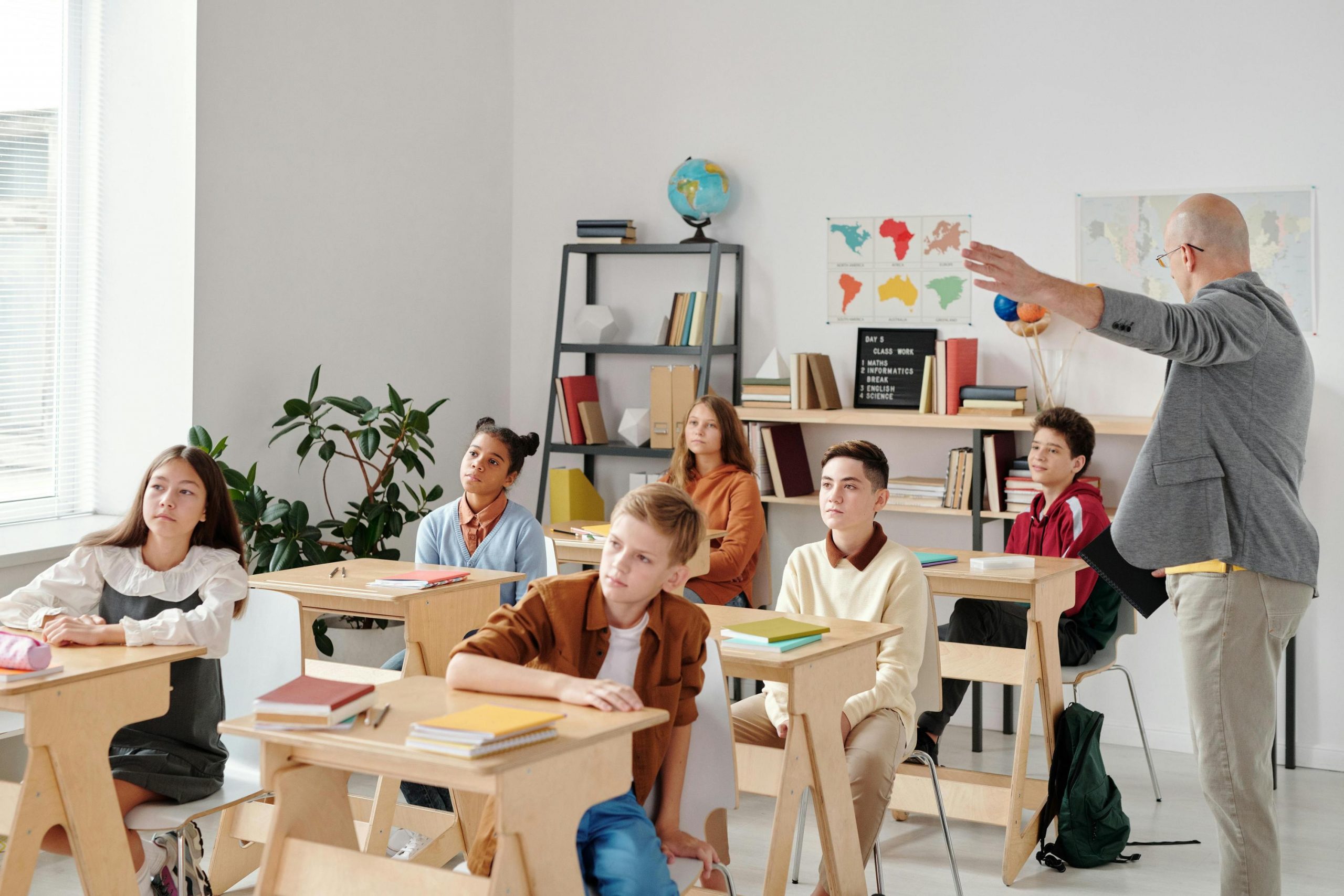
Choosing between homeschool vs public school can feel overwhelming. Taking time to reflect on your child’s personality and your family’s situation can make the decision clearer. There is no one-size-fits-all answer, but asking yourself honest questions will help guide you in the right direction.
Does My Child Enjoy Classroom Settings?
Think about how your child responds to group environments. Do they:
- Enjoy participating in class discussions?
- Feel energized by being around other children?
- Work well in structured group activities?
Some children thrive in busy classrooms, while others may feel distracted or overwhelmed. Understanding your child’s comfort level in social settings is important.
Do I Have Time to Homeschool Daily?
Homeschooling requires consistent involvement. Consider:
- Your work schedule
- Household responsibilities
- Energy levels throughout the day
Teaching, planning lessons, and tracking progress take time. Make sure you can realistically commit to daily instruction.
Can I Provide Consistent Structure at Home?
Even though homeschooling is flexible, children still need routine. Ask yourself:
- Can I create and maintain a daily schedule?
- Will I be able to enforce learning time without distractions?
Structure helps children stay focused and productive.
What Are My Family’s Long-Term Goals?
Consider your priorities. Are you focused on:
- Academic achievement?
- Family time?
- Faith-based learning?
- College preparation?
Your goals will shape your decision.
How Important Are Extracurricular Activities?
Public schools often offer sports, clubs, and music programs. If these are important to your child, think about how they would access similar opportunities in a homeschool setting.
There is no perfect system, only what works best for your family and supports your child’s growth.
Can You Switch Later?
One important thing to remember when choosing between homeschool vs public school is that your decision is not permanent. Education is not a one-time choice. It can change as your child grows, develops new interests, or faces new challenges.
Many families adjust their educational path over time. What works well in kindergarten may not work as well in middle school. The good news is that you have options.
Families sometimes:
- Start with public school and switch to homeschool.
Some parents choose public school in the early years to give their child a classroom experience. Later, if academic, social, or safety concerns arise, they may transition to homeschooling for more flexibility or personalized support. - Homeschool during elementary years and return to public school later.
Other families homeschool when children are younger, then enroll them in public school during middle or high school. This can provide access to advanced classes, sports teams, or college preparation resources. - Use hybrid programs.
Hybrid models combine both approaches. Students may attend classes part-time at a school or learning center while completing the rest of their work at home.
Before switching, research your local school district’s policies and keep organized academic records. Smooth transitions are easier when documentation is clear.
Education can evolve as your child grows. Being flexible allows you to respond to their changing needs and support their success at every stage.
Final Thoughts: Homeschool vs Public School
So, homeschool vs public school — which is better for your child?
The answer depends on your child’s needs, your family’s lifestyle, and your educational goals.
Public school offers:
- Structure
- Social interaction
- Access to resources
- Professional teachers
Homeschooling offers:
- Flexibility
- Personalized learning
- Family-centered education
- Curriculum control
Both options can provide excellent education when approached thoughtfully.
The most important thing is creating an environment where your child feels supported, challenged, and motivated to learn. Whether that happens at home or in a classroom, your involvement and encouragement make the biggest difference.
Take time to reflect, research local options, and discuss the decision as a family. With careful planning, you can choose the path that best supports your child’s growth and success.