
Raising children in today’s fast-paced world is both rewarding and challenging. Parents seek ways to help their children grow healthy, socially skilled, and intellectually engaged while managing their own responsibilities. Balancing education, recreation, and healthcare can feel overwhelming, but access to quality resources makes a significant difference. Structured programs, regular medical and dental care, and recreational activities all contribute to a child’s holistic development.
Families now have a wide range of options to support children at every stage. Early education programs build strong foundations in literacy and numeracy, while extracurricular activities such as sports, dance, and creative arts foster coordination, teamwork, and self-expression. Health resources, including routine checkups with family dentists and preventive care programs, help children develop healthy habits from an early age. Well-informed planning allows parents to create routines that nurture overall growth and well-being.
Parenting responsibilities also involve navigating challenges such as shared custody, household scheduling, and coordinating support services. Communities offer numerous family-friendly resources, including soccer classes, dance lessons, enrichment programs, and Sunday school opportunities, all of which help children thrive socially, emotionally, and physically. This article explores these resources in depth, providing actionable tips for parents to integrate educational, recreational, and health-focused programs into daily life to create a balanced, enriching environment for their children.
Encouraging Daily Engagement Through Play
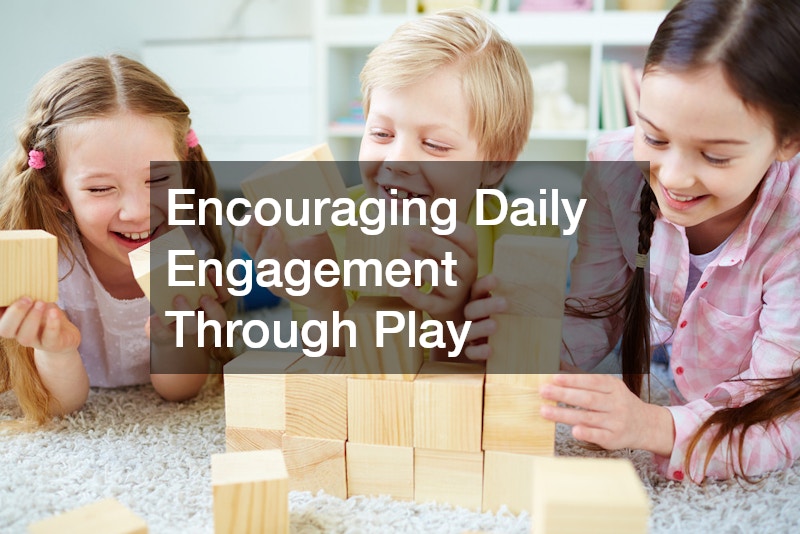
Play is a fundamental aspect of child development. It allows young children to explore, learn, and develop social, cognitive, and motor skills. However, with busy schedules, parents sometimes struggle to incorporate meaningful play into everyday routines. Prioritizing structured and unstructured activities for young children can make a significant difference in their growth and engagement.
When designing daily activities, consider both indoor and outdoor options. Indoor activities can include arts and crafts, simple science experiments, and imaginative role-play games. For instance, building block towers improves spatial reasoning and hand-eye coordination, while pretend play fosters creativity and social-emotional understanding. Outdoor activities such as scavenger hunts, nature walks, or playground time encourage physical fitness, sensory exploration, and social interaction with peers.
Tips for integrating daily play:
- Create a flexible routine that includes dedicated time for unstructured play.
- Rotate toys and materials to maintain interest and challenge skills.
- Encourage cooperative play with siblings or neighborhood friends.
- Integrate educational elements like counting games, letter recognition, or problem-solving challenges.
Parents should also consider opportunities that align with developmental milestones. Activities for young children should match their age and abilities, gradually introducing more complex tasks to build confidence and competence. Using play as a learning tool not only keeps children engaged but also strengthens parent-child bonds through shared experiences. Structured daily engagement establishes habits that can translate into academic curiosity and social success later in life.
Finding the Right Early Education Options
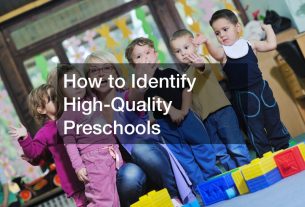
Choosing the right early education program is one of the most impactful decisions for families. The options range from traditional preschool programs to specialized private preschools, and finding the best private preschools can make a significant difference in a child’s early learning experience. Parents should consider factors such as curriculum, teacher experience, class size, and the overall philosophy of the school.
Private preschools often provide tailored learning experiences, with small class sizes and enhanced enrichment opportunities. Montessori or Reggio Emilia approaches emphasize hands-on, student-centered learning, encouraging children to develop autonomy and problem-solving skills. In contrast, structured preschool programs may focus on preparing children for academic readiness through guided lessons in literacy, numeracy, and social skills. Visiting schools, observing classrooms, and meeting with educators can provide valuable insight into the environment and teaching style, helping parents identify which programs meet their child’s needs.
Actionable tips for selecting the right program:
- Make a checklist of your priorities, such as academic focus, extracurricular offerings, and social development.
- Attend open houses and observe interactions between teachers and children.
- Ask about student-teacher ratios and how individualized attention is provided.
- Evaluate enrichment opportunities like music, art, or STEM-focused activities.
Parents should also consider logistics such as location, schedule flexibility, and tuition costs. Balancing these practical concerns with educational quality ensures children receive the benefits of high-quality early education while families maintain manageable routines. Choosing the best private preschools helps lay a foundation for academic achievement, emotional intelligence, and social competence, setting the stage for long-term success.
Faith-Based Learning and Community Support
Religious or values-based programs can be a meaningful addition to a child’s development, providing lessons in morality, empathy, and community engagement. Sunday school for kids is one common option, offering structured learning in a social setting where children can interact with peers while exploring ethical and spiritual concepts.
Participation in these programs helps children develop communication and interpersonal skills. It also provides a sense of belonging, fostering friendships, and building confidence. Parents should evaluate programs based on curriculum quality, teacher experience, and how lessons align with family values.
Tips for maximizing benefits:
- Schedule attendance consistently to build routine and commitment.
- Engage with teachers to reinforce lessons at home.
- Encourage children to participate in community service projects associated with the program.
- Use activities such as storytelling, crafts, and group discussions to reinforce learning.
Incorporating faith-based learning into family routines can complement educational and recreational activities, creating a well-rounded developmental environment. Parents should view these programs as one component of a broader strategy that includes academic enrichment, physical activity, and social interaction.
Encouraging Creative Expression Through Dance

Dance is a powerful tool for physical, emotional, and social development. Local dance lessons provide structured environments where children can explore movement, rhythm, and self-expression while developing coordination and confidence. Dance also promotes teamwork, discipline, and creativity.
Parents should consider age-appropriate classes, ranging from toddler movement programs to more advanced ballet, jazz, or hip-hop lessons. Observing classes or speaking with instructors can provide insight into teaching methods, safety practices, and progression pathways for students.
Actionable strategies for supporting dance education:
- Ensure appropriate attire and footwear for safety and comfort.
- Schedule regular practice at home to reinforce skills learned in class.
- Encourage participation in recitals or showcases to build confidence.
- Rotate different dance styles to expose children to varied movement and artistic expression.
Integrating dance lessons into weekly routines promotes holistic development by combining physical activity with creative expression. Children learn to set goals, celebrate achievements, and collaborate with peers in a structured, enjoyable environment. These classes also improve balance, flexibility, and posture while teaching discipline and time management, reinforcing healthy habits. Beyond physical benefits, dance fosters social-emotional growth, helping children build confidence, navigate teamwork, and develop resilience—skills that complement learning, recreation, and family engagement. Participation in local dance lessons creates a well-rounded experience that supports overall health, learning, and personal growth.
Fostering Confidence Through Beauty and Personal Development
Exposure to personal care and creative arts can be a confidence-building experience for children and teens. Beauty schools offering classes in hairstyling, grooming, or makeup artistry provide supervised environments for learning practical skills while encouraging self-expression.
For younger children, lessons can focus on basic grooming, hygiene, and age-appropriate creative activities. Teen programs might include more advanced skills such as hairstyling techniques, skin care education, or creative design projects.
Tips for maximizing learning opportunities:
- Verify instructor credentials and program safety standards.
- Encourage creative projects that allow for experimentation and self-expression.
- Integrate lessons with broader developmental goals, such as confidence-building and social interaction.
- Schedule participation in a way that complements school and family responsibilities.
Participation in these programs promotes self-esteem and teaches practical life skills, providing teens and pre-teens with constructive outlets for creativity while supporting personal development. They also encourage problem-solving, time management, and collaboration, helping young people build confidence both at home and in social settings. By engaging in hands-on activities, teens develop a sense of accomplishment that reinforces emotional well-being and prepares them for future challenges.
Supporting Children’s Overall Health and Well-Being
Routine dental care is crucial for long-term health, as oral health impacts overall well-being. Family dentists provide services for children and adults, helping to prevent cavities, address orthodontic concerns, and encourage proper hygiene habits.
Tips for establishing healthy dental routines:
- Schedule regular check-ups at least twice a year.
- Teach children proper brushing and flossing techniques from an early age.
- Use positive reinforcement to create a stress-free dental experience.
- Monitor diet and sugar intake to reduce the risk of cavities.
Family dentists also play a role in preventive education, helping children understand the importance of oral hygiene and its connection to overall health. Early habits and regular professional care reduce future complications and instill lifelong wellness practices. Encouraging children to take an active role in their dental care also builds responsibility and confidence, while making visits a positive learning experience that complements other family health routines.
Promoting Physical Activity and Team Skills
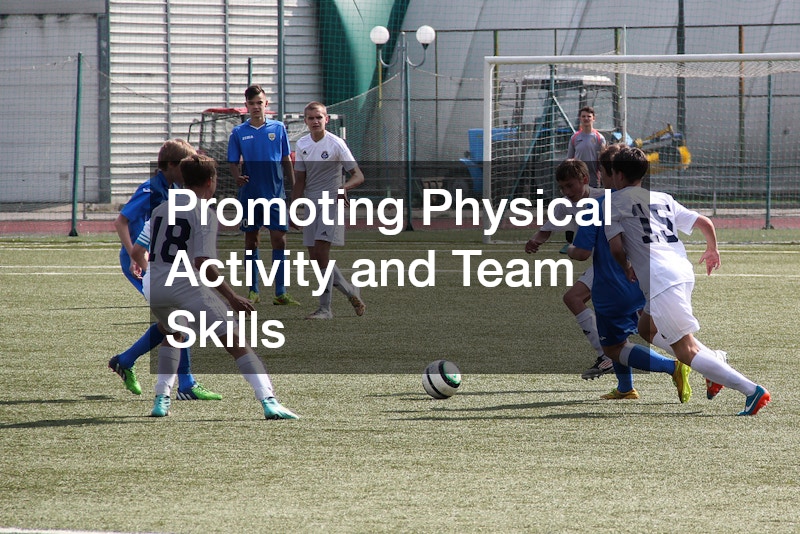
Participation in sports fosters physical fitness, teamwork, and social skills. Local soccer classes provide structured opportunities for children to engage in physical activity while learning rules, strategy, and cooperation.
Actionable strategies for parents:
- Choose age-appropriate classes and leagues based on skill level and maturity.
- Ensure proper safety equipment, including cleats, shin guards, and hydration strategies.
- Encourage practice and participation without emphasizing competition.
- Coordinate schedules to balance sports with academics and other activities.
Regular involvement in sports helps children build confidence, perseverance, and collaboration skills. Structured soccer programs also provide social interaction outside the classroom, contributing to holistic development. Participation encourages healthy habits, improves physical fitness, and teaches goal-setting, teamwork, and resilience—skills that support both personal growth and success in academic and recreational pursuits.
Balancing Family Responsibilities and Legal Considerations
Shared custody and complex family arrangements can impact a child’s access to programs, healthcare, and recreation. Parents need strategies to maintain consistency and stability across households.
Practical guidance includes:
- Coordinating schedules to ensure children can participate in programs at both homes.
- Communicating effectively with co-parents regarding educational and extracurricular activities.
- Supporting children emotionally during transitions between households.
- Documenting routines and responsibilities to reduce conflicts and confusion.
Managing child custody while providing consistent developmental opportunities requires planning and clear communication. Prioritizing children’s needs and scheduling access to family-friendly resources ensures a stable environment for growth. Coordinating activities, educational programs, and recreational opportunities across households also helps children maintain routines, build social connections, and continue learning and developing despite schedule changes.
Helping Families Manage Daily Life With Home Support
Home care services provide support for families managing work schedules, healthcare needs, or children with special requirements. These services can include in-home tutoring, childcare, medical support, or household management.
Tips for selecting services:
- Verify credentials and references of caregivers.
- Clarify the scope of services and responsibilities.
- Schedule consistent routines to maintain stability for children.
- Integrate services with educational and recreational programs to complement development.
Using home care services strategically allows parents to balance responsibilities while ensuring children receive attention, learning opportunities, and care in a safe environment. These services can also support participation in educational programs, recreational activities, and skill-building exercises, helping children stay engaged, active, and well-supported even during busy family schedules.
Combining Activities for Holistic Development
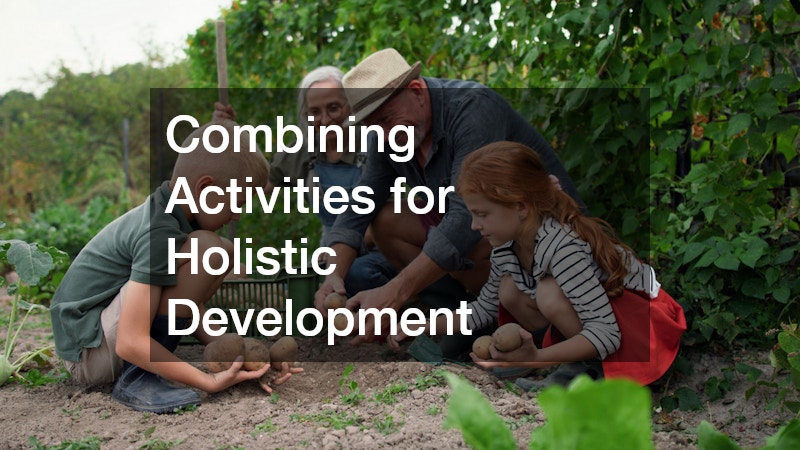
Creating a balanced routine that integrates educational, recreational, and health resources fosters holistic development. Combining structured preschool programs with extracurricular activities, creative lessons, and health checkups ensures children grow physically, socially, and intellectually.
Strategies for integration:
- Rotate activities to maintain interest and prevent burnout.
- Connect lessons learned across programs to reinforce skills.
- Monitor progress and adapt schedules according to children’s needs.
- Encourage family participation in activities to strengthen bonds.
A cohesive approach to scheduling and program selection provides children with enriching experiences that support overall well-being. Parents who actively coordinate these activities create an environment conducive to lifelong learning and healthy habits. Integrating educational, physical, and creative programs helps children develop social, cognitive, and emotional skills, ensuring they thrive both at home and in their broader community.
Family-friendly resources play a critical role in supporting children’s growth and development. By thoughtfully integrating programs for education, recreation, health, and personal development, parents can provide balanced opportunities for children to thrive. Early education, structured play, sports, arts, dental care, and supportive services all contribute to holistic development, ensuring children are prepared academically, socially, and physically.
Parents face the challenge of balancing responsibilities, managing custody arrangements, and coordinating schedules. Leveraging local resources such as preschools, Sunday school programs, soccer classes, dance lessons, and home care services allows families to build routines that prioritize both child development and parental well-being. Encouraging participation in creative programs, beauty and personal development classes, and preventive health routines further fosters confidence, self-expression, and long-term wellness.
By investing time in identifying high-quality programs, scheduling regular checkups with family dentists, and supporting children’s recreational and educational interests, families can create a safe, engaging, and nurturing environment. Consistent engagement, preventive planning, and access to diverse resources provide stability while encouraging curiosity, creativity, and social skills. Thoughtful planning combined with the right tools enables parents to build resilient, well-rounded children who are prepared to succeed in all areas of life.