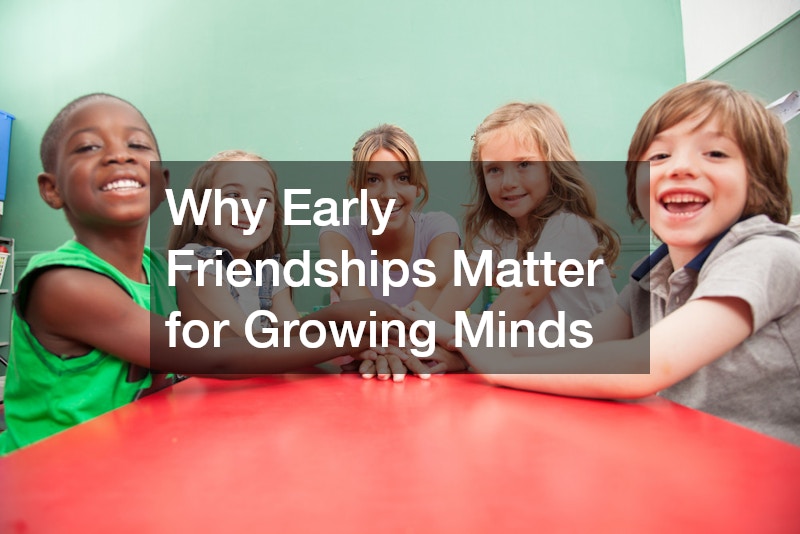
Watching young children form their very first friendships is genuinely one of the more rewarding parts of early childhood, and these relationships offer far more than simple playtime companionship. Early friendships genuinely support cognitive, social, and emotional development in ways that shape how children learn to navigate the world around them. Enrollment in structured early learning environments continues to be common among this age group. According to the NCES, 50% of three- and four-year-olds are enrolled in school, meaning early friendships often begin forming within these settings, making the choice of private school genuinely meaningful for a child’s broader social development.
Building Foundational Social Skills
Early friendships give little ones genuine, low-stakes opportunities to practice essential social skills like sharing, taking turns, and resolving small conflicts with peers. A quality private school environment supports this development by fostering small, close-knit classroom communities where these interactions can happen naturally and consistently throughout the day.
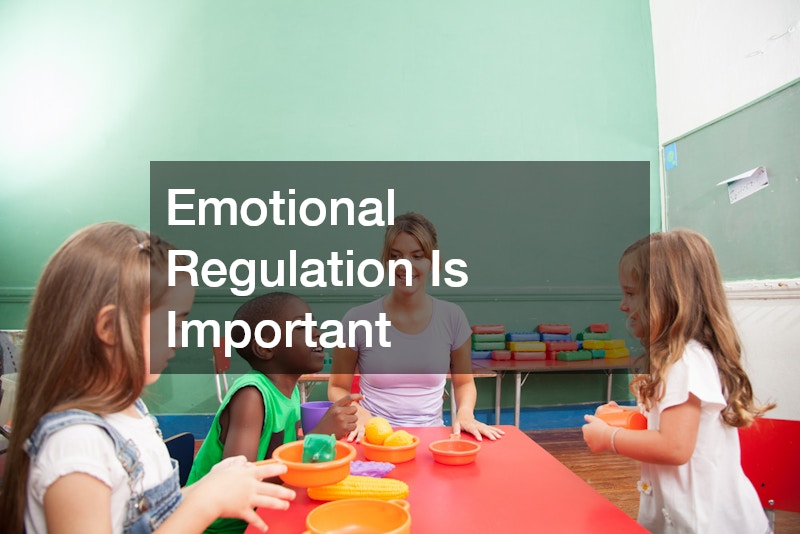
Supporting Emotional Regulation and Empathy
Through friendships, young learners begin learning to recognize and respond to others’ feelings, genuinely building the foundation for empathy that continues developing throughout their lives. Teachers within a supportive private school setting can gently guide these early emotional interactions, helping children process disagreements or big feelings in healthy, constructive ways.
Encouraging Language and Communication Growth
Playing and interacting with peers naturally encourages children to practice new vocabulary, sentence structure, and communication skills in ways that feel genuinely engaging rather than instructional. This kind of peer-to-peer language development often happens most effectively within smaller, attentive classroom environments where teachers can support these interactions closely.
Strengthening Confidence and Sense of Belonging
Forming genuine friendships helps young learners develop a real sense of belonging and confidence within their classroom community, both of which genuinely support their overall willingness to explore, participate, and take healthy social risks. This early confidence often carries forward, helping children approach future social situations with greater ease and self-assurance.
Your local private school understands how much early friendships genuinely contribute to a child’s growth, and is committed to nurturing these relationships within our warm, supportive classroom communities. The experienced team creates an environment where children feel genuinely safe to connect, communicate, and grow alongside their peers.