Teaching responsibility is often seen as a task for the teenage years, but in reality, children begin learning this vital skill long before they enter formal education or start reading. The formative years of a child’s life lay the foundation for their understanding of responsibility, nurtured through simple everyday interactions and experiences. This early education in responsibility, supported by the best preschools, is crucial, offering benefits that extend well beyond childhood.
Daily Routines and Chores
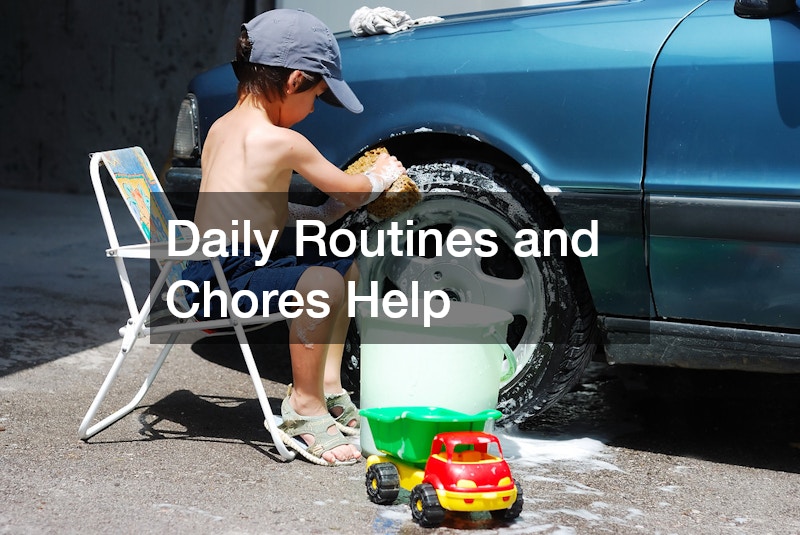
Responsibility is fostered through daily routines and chores, helping children understand the importance of completing tasks and contributing to their environment. Simple actions like putting toys away, feeding family pets, or helping set the table introduce them to a sense of duty. These activities not only teach task completion but also instill a sense of accomplishment and confidence. They learn to link their actions to outcomes, gradually understanding that their contributions are a valuable part of the family dynamic.
Social Interactions
Social interactions in the best preschools provide another avenue for learning responsibility. According to Gitnux, 60% of children who attended preschool are more likely to go to college, highlighting the long-term benefits of early group learning settings. In these environments, children learn to take care of their belongings, respect peers, and follow routines. The best preschools encourage sharing, taking turns, and teamwork— all fundamental aspects of responsibility that persist throughout life. These skills further bolster their ability to navigate more complex social dynamics as they grow.
Modeling and Reinforcement
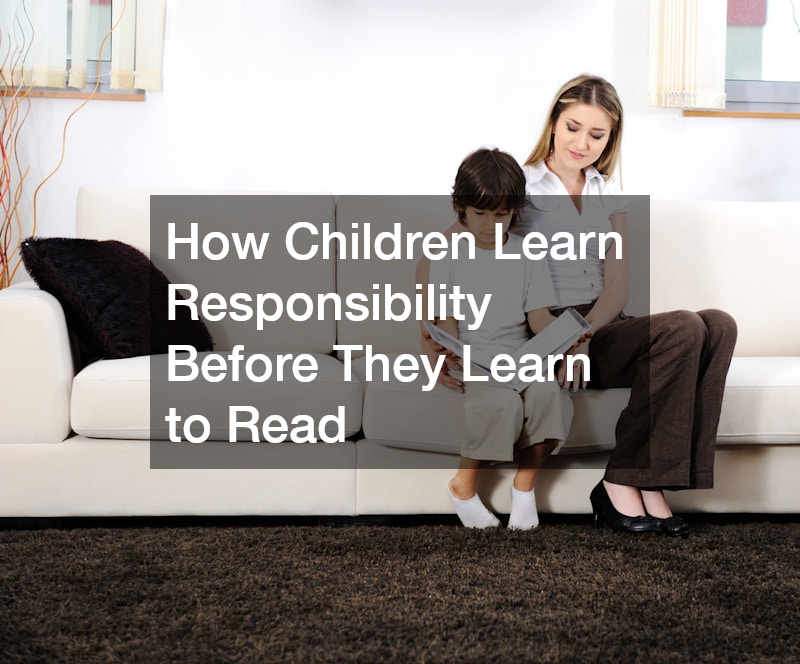
Parents and caregivers play a pivotal role in nurturing responsibility through modeling and reinforcement. By observing adults fulfill obligations and address their responsibilities, children learn about managing expectations. Parents encourage this further by creating structured environments where responsibilities are clear and achievable, offering praise for efforts and consistency. This supportive framework allows children to internalize the value of responsibility as both a skill and an ethic.
The journey of learning responsibility begins long before a child learns to read. Through routines, social interactions, and modeled behaviors, they develop a critical understanding of their role in the world. This foundational learning not only strengthens their capacity for future academic success but also cultivates individuals who appreciate the impact of their actions on themselves and others. By recognizing and supporting this development early, we help children build a meaningful connection to responsibility that lasts a lifetime.